 I’m fairly certain that Ciara Knight and I are the same person. Well, we have different chromosomes, she’s female, I try to be male, she has three sons, I have two daughters (but it feels like three sons). She lives in the American South, I live in the American West. Okay, we might not be physically the same person, though I do have bouts of amnesia and wake up with Star Wars figures in my pocket and fried okra in my hair. But regardless, Ciara and I both are reformed pantsers, we both have huge imaginations that drive us crazy, and we both have books published by Crescent Moon Press. And we both love to write.
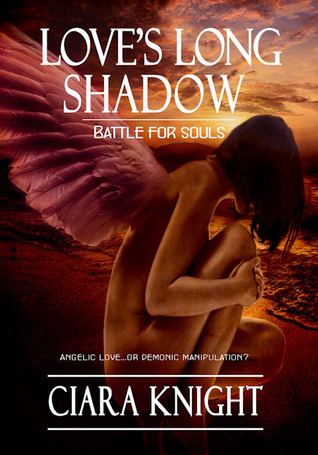
Ciara Knight always had a passion for storytelling. Over the past few years she has penned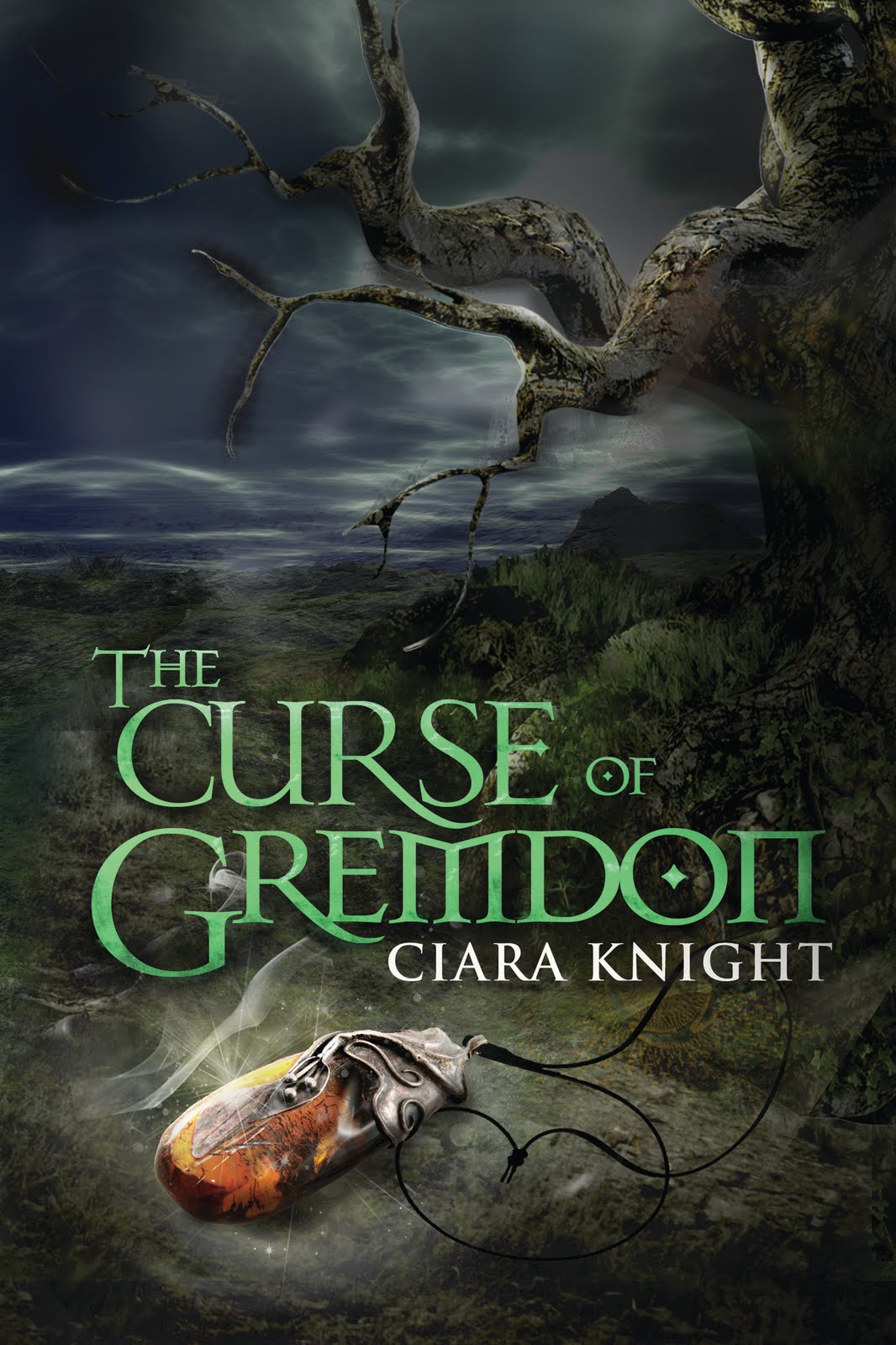 five novels and joined several professional writing organizations to better her craft. Ciara is happily married and enjoys family time. She has learned to embrace chaos, which is a requirement when raising three boys, and utilizes the insanity to create stories not of this world including, Fantasy, Paranormal, Sci-Fi, and Young Adult Dystopian.
For more on Ciara, check out her awesome website.
And her book? The Curse of Gremdon? Holy cow. Be careful. It will draw you in. Ciara Knight is the real deal.
She agreed to chat with me and we chatted and it made my Thursday night spectacular. Because Ciara is a spectacularly positive person. I try to be. Lord, do I try.
So, the interview. Hit me.
Aaron: We talked and you said you started writing after your kids were born and you left the corporate world. What prompted you to take up the pen and heartbreak of the writer’s life?
Ciara: The day I told my middle son he could do anything and my husband turned to me and said, “You’re a hypocrite.” Ah, my husband is so sweet and honest. 🙂 He knew I had a dream to write but was too scared to go for it. My husband knows me best and when the glove was thrown down in challenge, I had to accept.
Aaron: Like I said in the intro, we both have felt cursed by huge imaginations. With me, I still need to sleep with the lights on at times. And I get teased for being afraid of ghosts. For you, what are the drawbacks of having a relentless imagination? What are the benefits?

Ciara: Focus. I NEED to focus! My friends sometime wave their hands in front of my face and say, “You’re in Ciaraland again, aren’t you?” There are way too many characters battling for their spot on paper and it gets a little crowded in my little brain sometimes. What is great about it? I’m never bored. I can be sitting anywhere and be completely entertained.
Aaron: You gotta answer this next question because on the phone, what you said blew me away. I asked if you wrote at night or in the morning. You answered. My mind exploded, man. Totally. When and where do you write?
Ciara: I write at TKD practice, the football field, during violin lessons, and/or in carpool line. I’m a fifteen-minute writer. Give me fifteen minutes and I can give you several pages. 🙂
Aaron:As a reformed pantser, what made you change to flirt with plotting? As for me, I’ve relapsed. I just wrote a 140K rough draft for a novel I have to go back and plot. I go to meetings. It helps. Tell us about your writing style. Pantser, Plotter, or a killer mutant hybrid?

Artwork by Sarah Hartwell
Ciara: I’m definitely a killer mutant hybrid. 🙂 I start off with a detailed outline that includes POV, goals, motivation, conflict, and disaster. Then, I throw it all out the window and write the book. Yep, sometimes the characters take over and tell me I got the outline wrong. What spurred the outline in the first place? A complete rewrite in one of my books. NOT doing that again. LOL
Aaron: The Curse of Gremdon started out as a short story. How did you turn it into a novel? Was it hard? Did you plot that baby out?
Ciara: It did start off as a short story and I received a nice rejection telling me to  convert it to a novel, so I did. I tackled it during Nano with no outline. [NaNoWriMo, national novel-writing month.] The book practically wrote itself. If anyone has met Tardon, the hero in The Curse of Gremdon, you know how pushy he is.
Aaron: The Curse of Gremdon has a distinctive world with rigid rules that have ignited an emotional fire-storm in some people. Which emotional reactions surprised you the most?
Ciara: I was shocked when I received messages about the fact Arianna wasn’t treated fairly. They didn’t like the male-dominated world. I found Arianna to be so brave for facing that world. Some disagreed and thought that women should be equal. I never expected readers to feel that passionate about the world I had created.
Aaron: How much of The Curse of Gremdon is romance? How much is high fantasy? If it were a mocha latte, how much is chocolate, how much is coffee? I don’t know what the milk could be. So we’ll ignore the milk part.
Ciara: I think it is half romance and half high fantasy. There is a big story full of twists and turns, but Tardon and Arianna’s relationship is a huge part of that. The story wouldn’t work without their love and they wouldn’t have that kind of epic love without the challenges they had to face.
Aaron: Reviews can be tough on writers, but how have you dealt with the drama? For me, I plan on never reading my reviews and making them all up in my head. Something like, “The voice of a new generation, Aaron Michael Ritchey writes with a fury that will leave readers breathless.” Yeah, my own happy little world. But how do you deal with reviews?
Ciara: I analyze them. Someone thought I was insane when I told them that, but it’s true. I feel like I will never stop learning my craft and the only way I’m going to give my readers what they want is to listen to what they have to say. I do encourage readers to write a review even if they hated the book. I can learn from that.
Aaron: What trap have you seen new writers fall into? What message of hope can you leave us with? Because we need hope. Writers need hope like addicts need dope. Even more so.
Ciara: Don’t take everything so seriously or you will go crazy. It’s a tough business full of up’s and down’s. Surround yourself with fellow writers that understand what you are going through. Let yourself cry over a bad review or call on your friends, but you are only allowed twenty minutes. After that, time’s up and you need to move on. If you dwell too long you could miss a fantastic opportunity.
 Aaron: Thanks so much, Ciara. I found our conversation so empowering and I even became an optimist for about twenty minutes. A new record. Then I fell back into doubt, despair, and general angst. But only for twenty minutes, like you said. Onward! Onward! To battle!
 Ciara’s blog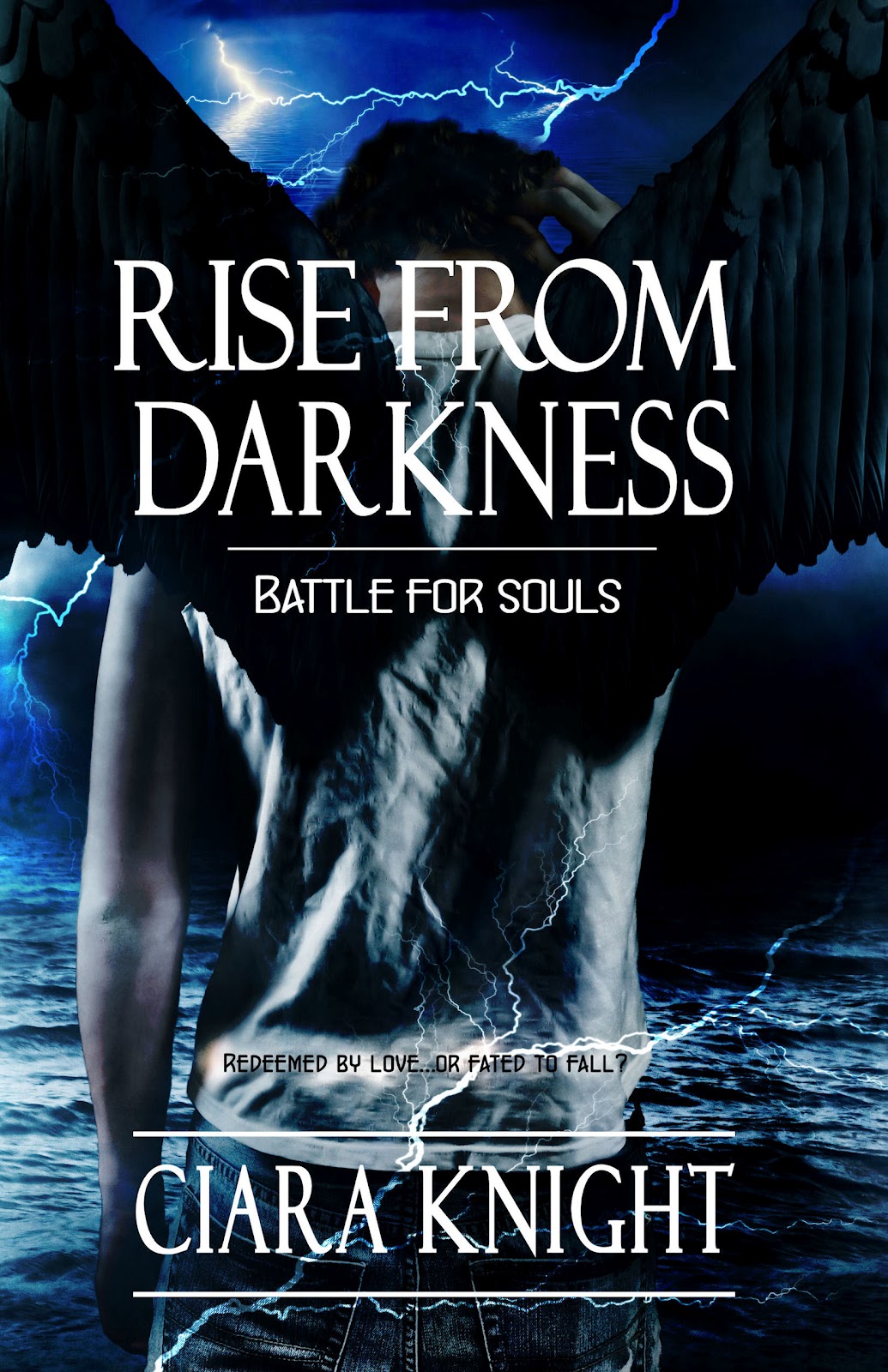
Her facebook page
Facebook fan page
Follow her on twitter